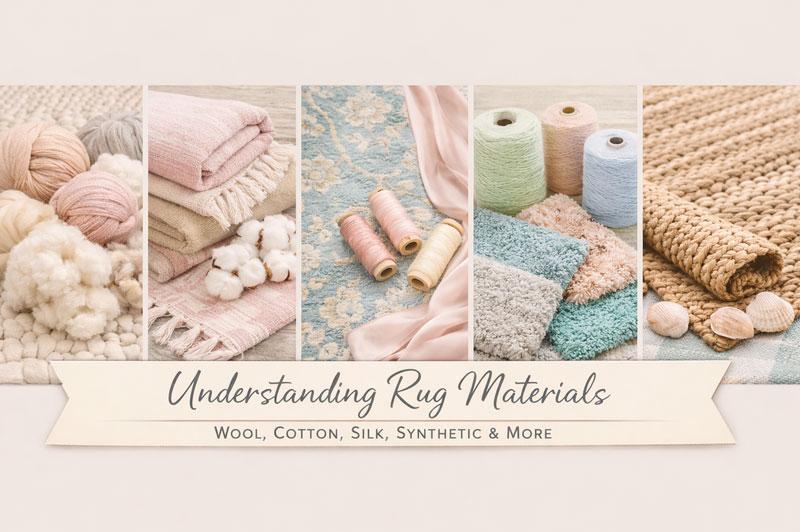
The rug beneath your feet tells a story written in fiber. Whether it's the luxurious pile of Persian silk, the hearty resilience of New Zealand wool, or the practical durability of modern synthetics, each material brings its own character to your living space. Understanding these differences isn't just about making an informed purchase—it's about finding the right companion for your home, one that will age gracefully alongside your life.
The Enduring Appeal of Wool
Wool has dominated the rug world for millennia, and there's good reason it remains the gold standard. This natural fiber, harvested from sheep across the globe, possesses an almost magical combination of properties that synthetic manufacturers have spent decades trying to replicate.
The Science Behind Wool's Superiority
The structure of wool fiber operates like a natural air purifier and insulator. Each strand contains microscopic scales that trap dirt and prevent it from penetrating deep into the pile. This means surface vacuuming removes most debris before it becomes embedded. The crimp in wool fibers creates tiny air pockets that provide exceptional insulation, keeping rooms warmer in winter and cooler in summer.
Wool's natural lanolin coating gives it an inherent stain resistance that's frankly remarkable. Spill red wine on a quality wool rug, and you'll have time to blot it up before permanent damage occurs. The fiber's protein structure actually repels liquids initially, buying you precious minutes for cleanup.
Regional Variations Matter
Not all wool comes equal. New Zealand wool, prized for its long staple length and brightness, produces rugs with exceptional durability and sheen. The sheep graze on volcanic soil rich in minerals, creating fiber that's both strong and lustrous. Tibetan wool, harvested from sheep living at high altitudes, develops a coarser, more resilient texture perfect for high-traffic areas.
Persian wool, particularly from the Kirman region, produces remarkably soft fiber due to the mineral content in local water sources where sheep drink. This creates rugs that feel luxurious underfoot while maintaining durability. Indian wool tends toward the coarser end of the spectrum, making it ideal for affordable, hard-wearing pieces.
The Practical Considerations
Wool rugs require commitment. They shed initially—a normal process as short fibers work their way out. This can last several months with heavy vacuuming. They're susceptible to moth damage if neglected, particularly in dark, undisturbed corners. Professional cleaning every few years maintains their beauty, but improper cleaning can cause felting or shrinkage.
The investment pays dividends over decades. A well-maintained wool rug doesn't just survive; it improves. The pile develops a patina, colors mellow into sophisticated tones, and the overall effect becomes richer. Antique dealers specifically seek out worn wool rugs because the material ages with dignity.
Cotton: The Practical Alternative
Cotton brings an entirely different aesthetic to floor covering. Where wool speaks in plush, substantial tones, cotton whispers with crisp, clean lines and casual elegance.
Understanding Cotton's Character
Cotton fiber lacks wool's natural elasticity and resilience. Step on a cotton rug and fibers compress, taking longer to bounce back. This makes cotton less suitable for high-pile constructions but perfect for flat-weaves like dhurries, kilims, and braided styles.
The fiber's absorbency, cotton's defining characteristic in textiles, becomes both advantage and drawback in rugs. Cotton cleans beautifully, often machine-washable in smaller sizes. It doesn't hold odors and dries relatively quickly. However, this same absorbency means spills soak in immediately. There's no grace period for cleanup like wool provides.
Where Cotton Excels
Kitchens and bathrooms benefit enormously from cotton rugs. The washability factor outweighs other considerations when you're dealing with food spills or moisture. Nurseries and children's rooms similarly favor cotton for its cleanability and hypoallergenic properties.
Cotton takes dye magnificently, producing vibrant, saturated colors that wool can't quite match. This makes cotton ideal for bold, contemporary patterns where color intensity drives the design. Scandinavian-style interiors, with their emphasis on fresh, light aesthetics, often feature cotton rugs that complement rather than dominate spaces.
The Longevity Question
Cotton rugs won't last generations like wool. The fiber breaks down faster, developing wear patterns within years rather than decades. However, their affordability makes replacement painless. Think of cotton rugs as seasonal accessories rather than heirloom investments. Switch them out with decor changes, replace them guilt-free when worn, and appreciate their unpretentious functionality.
Silk: Luxury Embodied
Silk rugs occupy a category unto themselves. These aren't floor coverings in the practical sense—they're woven art that happens to be placed on floors.
The Creation Process
Silk production begins with Bombyx mori moth larvae feeding exclusively on mulberry leaves. The resulting cocoons consist of single continuous filaments, sometimes stretching thousands of meters. When woven into rugs, these filaments create an unmatched luster that shifts with viewing angle and light.
The knot density possible with silk exceeds any other material. Master weavers achieve 1,000 knots per square inch or more, enabling intricate details impossible in other fibers. A single silk rug might require years of painstaking work, with weavers developing repetitive strain injuries from the precision demanded.
The Reality of Silk Ownership
Silk rugs demand reverence. They belong in low-traffic areas—under dining tables used for special occasions, in formal living rooms, displayed as wall hangings. Foot traffic crushes the delicate fibers. Sunlight fades the colors. Moisture causes immediate damage.
Professional cleaning isn't just recommended—it's mandatory. Home cleaning attempts risk catastrophic damage. The investment extends beyond purchase price to ongoing maintenance costs that accumulate over years.
When Silk Makes Sense
Despite the impracticality, silk rugs offer something no other material can: breathtaking beauty that stops conversation. The way light plays across a silk Isfahan rug creates depth and movement no photograph captures. For collectors and design enthusiasts willing to accommodate silk's demands, the aesthetic reward justifies the effort.
Synthetic Fibers: The Modern Evolution
Dismissing synthetic rugs as cheap imitations misses their legitimate advantages. Modern synthetics have evolved far beyond the scratchy, static-prone polyester of decades past.
Polypropylene: The Workhorse
Polypropylene (olefin) revolutionized outdoor and high-moisture rugs. The fiber is solution-dyed, meaning color is added during manufacturing rather than applied afterward. This makes polypropylene nearly immune to fading and staining. Bleach, the enemy of most fibers, barely affects it.
The drawbacks? Polypropylene melts at relatively low temperatures, making it unsuitable near fireplaces or where furniture might generate friction heat. It also attracts and holds oils, so kitchen use requires frequent cleaning. The fiber lacks warmth and softness, giving rugs a somewhat plastic feel.
Nylon: Engineered Resilience
Nylon represents synthetic fiber technology at its finest. Engineered for resilience, nylon springs back from compression better than any material except wool. High-traffic commercial spaces use nylon specifically for its ability to maintain appearance despite punishment.
Stain treatments applied to nylon create impressive stain resistance. Modern nylon rugs resist most household spills when cleaned promptly. Unlike polypropylene, nylon feels softer and more natural underfoot.
The environmental consideration looms large with nylon. Production consumes significant petroleum resources and energy. Disposal presents challenges since nylon persists in landfills essentially forever.
Polyester: The Soft Synthetic
Polyester rugs attempt to mimic natural fiber softness while maintaining synthetic durability. Recent manufacturing advances create surprisingly luxurious textures at accessible prices. Polyester excels at mimicking the sheen of silk in high-pile shag rugs.
However, polyester crushes under sustained weight. Heavy furniture leaves permanent indentations. High-traffic areas develop worn patterns quickly. Consider polyester for bedroom use or areas where aesthetic matters more than longevity.
Blends: Having Your Cake
Fiber blends attempt to capture the best properties of multiple materials while minimizing individual weaknesses.
Wool-Silk Combinations
Adding silk to wool creates fascinating textural variation. Silk highlights create pattern elements that catch light differently than wool backgrounds. The silk percentage typically stays below 30%, providing visual interest without silk's fragility dominating.
These blends require the same care as pure silk in silk areas. You're essentially caring for two different rugs simultaneously, which complicates maintenance.
Wool-Cotton Foundations
Many hand-knotted rugs use cotton foundation threads with wool pile. This combination isn't a compromise—it's strategic. Cotton's strength and stability create a durable structure that doesn't stretch. Wool's superior pile characteristics create the surface you see and touch.
The cotton foundation remains hidden, working quietly to prevent warping and maintain dimensional stability. This construction method has persisted for centuries because it simply works.
Synthetic-Natural Hybrids
Manufacturers increasingly blend synthetic fibers with natural ones. A rug might be 70% wool and 30% nylon, gaining durability while maintaining much of wool's character. These blends often perform better than expected, though purists argue the natural fiber's qualities become diluted.
For practical purposes in family homes, blends offer compelling middle ground. They cost less than pure natural fibers while delivering better performance than pure synthetics.
Viscose and Rayon: The Tricky Middle Ground
Viscose (rayon) occupies an odd position—technically synthetic but derived from natural cellulose. Marketing often positions viscose rugs as "silk-like" alternatives, which sets unrealistic expectations.
The Manufacturing Reality
Viscose production starts with wood pulp processed with harsh chemicals to create a fiber that's reconstituted plant material. The resulting fiber has silk-like luster at a fraction of silk's cost. However, the similarity ends at appearance.
Viscose absorbs moisture aggressively, staining easily and water-spotting permanently. Wet viscose weakens dramatically, and cleaning can cause fiber loss. The material crushes under foot traffic, developing worn paths quickly.
When Viscose Works
Viscose rugs suit very specific circumstances: low-traffic decorative use where appearance outweighs durability. A viscose rug under a coffee table in a formal living room might last years. The same rug in an entryway would look shabby within months.
Approach viscose with clear expectations. It's disposable decor, not an investment piece. Appreciate the initial beauty while accepting the limited lifespan.
Natural Plant Fibers: The Textured Alternatives
Jute, sisal, seagrass, and other plant fibers bring organic texture and casual elegance to interiors.
Jute's Gentle Nature
Jute creates the softest plant fiber rugs, with a warm golden tone that complements natural design schemes. The fiber's relative softness makes jute comfortable for bare feet, unlike coarser alternatives.
Unfortunately, jute's softness correlates with fragility. Moisture causes mildew and deterioration. Stains penetrate easily and resist removal. Jute belongs in dry, low-traffic areas where its aesthetic contribution outweighs practical limitations.
Sisal's Toughness
Sisal fiber, extracted from agave plants, creates extremely durable, coarse rugs perfect for high-traffic areas. The texture provides excellent grip, preventing slipping while adding tactile interest.
The coarseness that provides durability also makes sisal uncomfortable for bare feet. This fiber suits entryways, offices, and spaces where shoes are standard. The neutral color works as a foundation for layering or stands alone in minimalist schemes.
Seagrass Characteristics
Seagrass naturally repels water and resists staining better than other plant fibers. The smooth surface cleans easily with simple vacuuming. These properties make seagrass suitable for casual dining areas and sunrooms.
The lack of dye absorption means seagrass rugs come only in natural tones—limitation or benefit depending on your design needs. The material's inflexibility makes seagrass rugs best suited to flat surfaces rather than stairs or curved spaces.
Making Your Material Decision
Choosing rug material requires honest assessment of your lifestyle and priorities. A collector seeking heirloom quality gravitates toward hand-knotted wool or silk. A parent with young children might wisely choose washable cotton or stain-resistant synthetics.
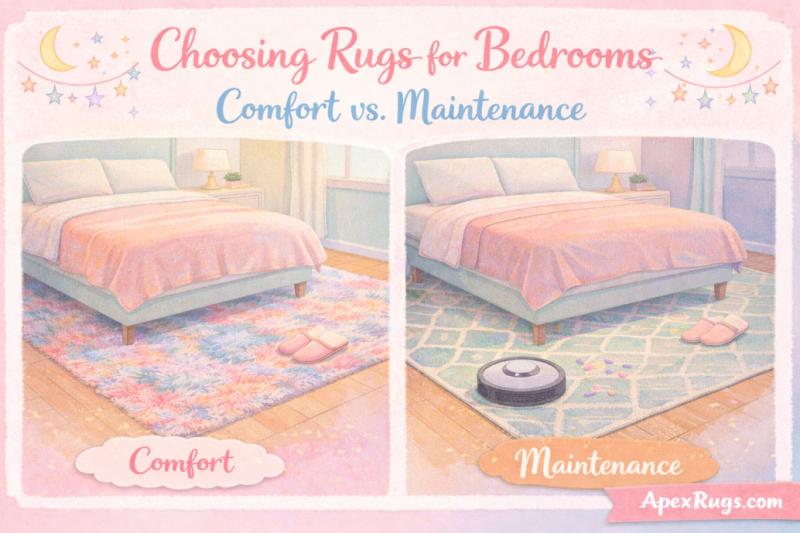
Consider the room's function first. Dining rooms need materials that forgive spills. Bedrooms can accommodate delicate fibers. Entryways demand durability above all else.
Climate plays a surprising role. Humid environments accelerate natural fiber deterioration and encourage mildew. Dry climates can make wool rugs generate static. Radiant floor heating limits options, as excessive heat damages many materials.
Budget determines whether you're buying one exceptional piece or several good ones. A substantial wool investment serves you for decades. Rotating affordable cotton rugs refreshes your space regularly without guilt.
The perfect rug material exists—but it's different for every situation. Understanding these materials empowers you to match fiber to function, creating spaces that look beautiful while serving your practical needs. Whether you choose ancestral wool, modern synthetics, or something in between, informed decisions create satisfaction that lasts as long as the rug itself.