The foundation of any well-designed room often lies beneath our feet. Rugs have evolved from mere floor coverings into essential design elements that anchor spaces, define zones, and inject personality into our homes. As we navigate the current landscape of interior design, several distinct rug styles have emerged as frontrunners, each offering unique aesthetic qualities and practical benefits. Understanding these trends while making informed purchasing decisions can transform your space without the regret that often accompanies impulse buys.
The Resurgence of Vintage and Antique Persian Rugs
The appreciation for vintage Persian rugs has reached new heights, driven by a collective desire for authenticity and craftsmanship in an increasingly mass-produced world. These hand-knotted treasures, whether genuinely antique or vintage pieces from the mid-20th century, bring an irreplaceable sense of history and artistry to contemporary interiors.
What distinguishes authentic Persian rugs is their remarkable construction. Traditional pieces feature hand-knotted wool or silk on cotton or wool foundations, with knot densities that can exceed 300 per square inch in finer examples. The natural dyes used in older pieces have developed a patina over decades, creating color harmonies that simply cannot be replicated through modern manufacturing.
The current trend favors overdyed and distressed vintage Persian rugs, where traditional patterns peek through faded or altered color palettes. These pieces work exceptionally well in eclectic and transitional spaces, bridging the gap between traditional elegance and contemporary minimalism. The worn areas and faded sections that might once have been considered flaws are now celebrated as authentic markers of age and use.
When shopping for vintage Persian rugs, knowledge becomes your greatest asset. Examine the back of any rug carefully—hand-knotted pieces will show the pattern clearly on the reverse side, while machine-made imitations typically have a uniform backing. Check for natural wear patterns that make sense with the rug's age and supposed use. Artificial distressing often looks too uniform or appears in illogical places.
Price points vary enormously, from several hundred dollars for smaller, more common pieces to tens of thousands for exceptional antique examples. Estate sales, specialized rug dealers, and online marketplaces all offer opportunities, but each requires different levels of expertise to navigate successfully. Building a relationship with a reputable dealer who offers authenticity guarantees provides the safest entry point for newcomers to this market.
Bouclé and Textured Neutrals
The bouclé furniture trend has naturally extended to floor coverings, with textured neutral rugs dominating showrooms and design magazines. These pieces emphasize tactile interest over pattern, featuring loops, cuts, and dimensional textures that create visual depth through shadow and light rather than color contrast.
High-pile shag rugs in creamy whites, warm taupes, and soft grays anchor contemporary living spaces with an inviting, cocoon-like quality. The current iteration of shag differs significantly from its 1970s predecessor, with more refined textures and better construction that resists matting and maintains its appearance over time. Wool and wool-blend options offer the best longevity, though high-quality synthetic materials have made significant advances in mimicking natural fibers while offering superior stain resistance.
Low-profile textured rugs with cut-and-loop construction provide similar visual interest with greater practicality for high-traffic areas and dining rooms. These styles work particularly well in minimalist Scandinavian-inspired interiors, where subtle texture provides warmth without overwhelming clean-lined furniture and neutral color schemes.
The challenge with textured neutral rugs lies in their apparent simplicity—what looks like a straightforward beige rug might vary dramatically in quality and construction. Density matters tremendously in these pieces. Examine how closely fibers are packed by pushing your fingers into the pile; you should feel substantial resistance, and the backing should not be easily visible. Hand-tufted wool rugs generally offer superior quality compared to machine-made polyester alternatives, though they command higher prices.
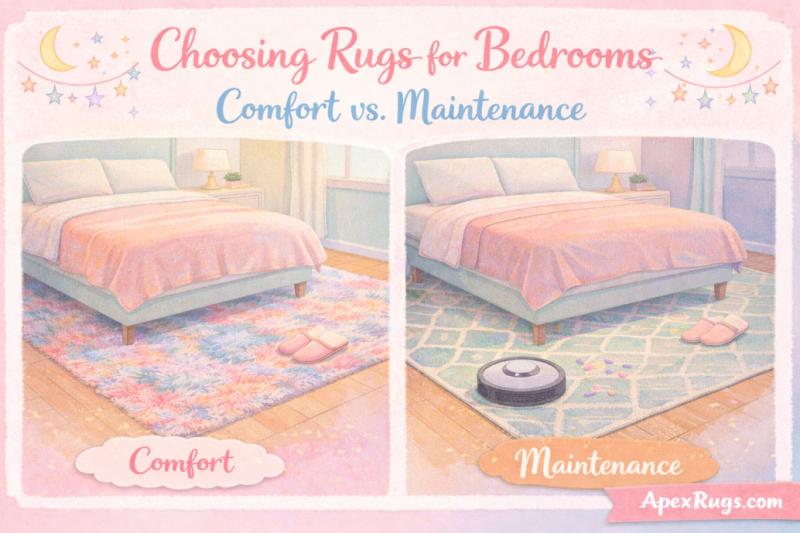
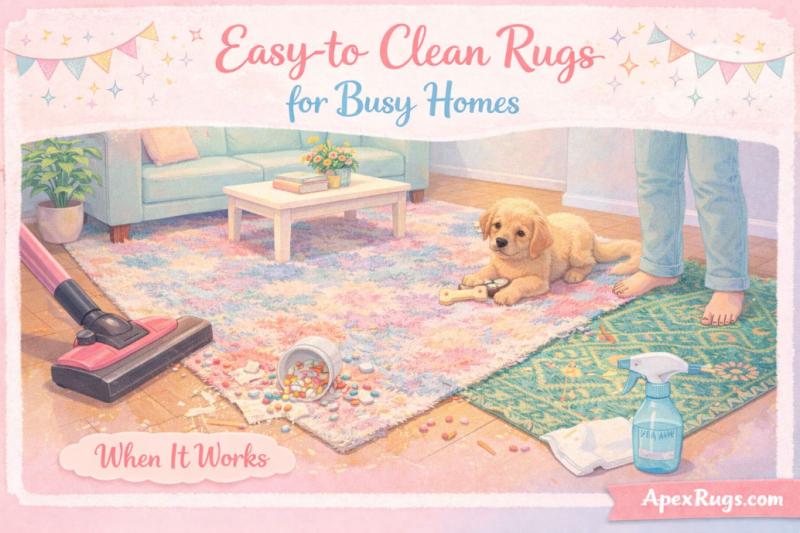
Consider your household's specific needs before investing in high-pile textured rugs. Homes with pets may struggle with hair removal from deep shag textures, while houses with small children might benefit from the forgiving nature of rugs that don't show stains as readily as flat-weave options. The initial savings of a synthetic rug might prove worthwhile if you anticipate replacing it within a few years anyway.
Bold Geometric Patterns
Geometric patterns have maintained their stronghold in contemporary design, but current trends favor bolder scales and more unexpected color combinations. Large-scale diamonds, oversized chevrons, and abstract geometric compositions make dramatic statements that can anchor entire room designs.
Modern interpretations often blend multiple geometric motifs within a single rug, creating complex visual interest that rewards closer inspection. These pieces work exceptionally well in spaces with minimal pattern elsewhere, providing a focal point that grounds furniture arrangements and draws the eye.
Color choices in geometric rugs have expanded beyond the safe navy-and-white combinations that saturated the market several years ago. Rust and terracotta tones paired with deep blues and soft creams reflect the broader embrace of warmer, earthier palettes. Emerald green with blush pink and gold creates luxurious, jewel-toned foundations for maximalist spaces. Black and white remains classic, but contemporary versions often soften the contrast with gray or incorporate irregular hand-drawn lines rather than crisp precision.
The flatweave construction method suits geometric patterns particularly well, offering crisp pattern definition and durability in high-traffic areas. Dhurrie rugs from India, kilims from Turkey and the Middle East, and contemporary flatweaves from various manufacturers all provide excellent options. These reversible rugs effectively double their lifespan, as you can flip them when one side shows wear.
Sizing proves critical with bold geometric patterns. A rug that's too small for a space will look tentative and disconnected, undermining the confident statement that geometric patterns should make. In living rooms, aim for a rug large enough to place at least the front legs of all major seating pieces on the rug itself. Dining rooms require rugs that extend at least 24 inches beyond the table on all sides when chairs are pulled out, ensuring chairs remain on the rug during use.
Natural Fiber Rugs with Modern Twists
Jute, sisal, seagrass, and other natural fiber rugs have transcended their coastal cottage associations to become sophisticated elements in diverse design schemes. The current trend adds modern twists to these traditional materials through innovative weaving techniques, unusual shapes, and unexpected material combinations.
Chunky braided jute rugs in oversized scales bring organic texture to minimalist spaces without introducing pattern competition. The substantial visual weight of these pieces grounds contemporary furniture while maintaining an airy, natural feeling. Bound sisal rugs with wide fabric borders in contrasting colors or patterns merge the casual approachability of natural fibers with tailored refinement.
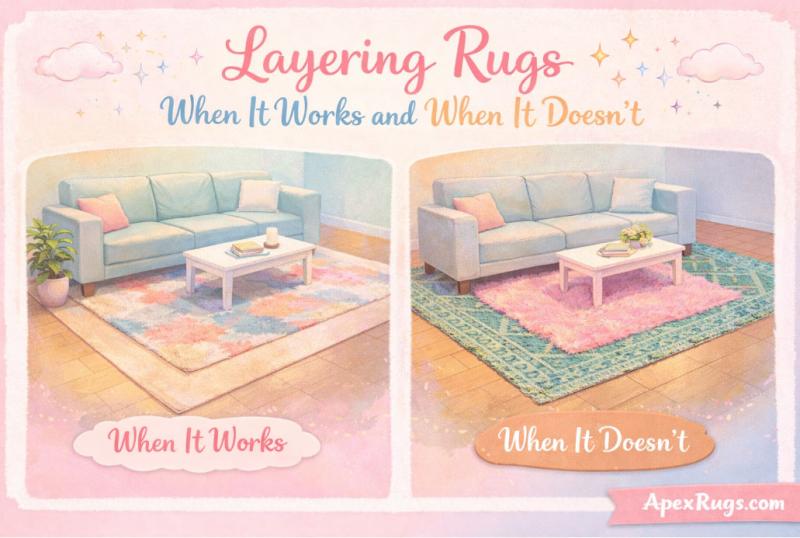
Layering has become a defining characteristic of how designers use natural fiber rugs. A large jute or sisal rug serves as a neutral foundation, with a smaller, more decorative rug layered on top to add color and pattern. This approach allows you to change a room's look seasonally or as tastes evolve without replacing the larger, more expensive base layer.
The practical considerations for natural fiber rugs require honest assessment of your lifestyle. These materials generally offer limited stain resistance compared to synthetic options, and moisture can cause damage or promote mildew growth. They work beautifully in bedrooms, living rooms, and covered outdoor spaces but struggle in dining rooms where spills are frequent or in humid climates without proper ventilation.
Comfort varies significantly among natural fibers. Jute provides the softest underfoot experience, while sisal can feel quite coarse—a consideration if you enjoy walking barefoot or have young children who play on the floor. Seagrass falls somewhere in the middle, with a smooth surface that's naturally stain-resistant due to its non-porous quality.
Price points for natural fiber rugs typically fall below wool or silk options, making them attractive for large spaces or tight budgets. However, quality still varies. Examine the weave tightness and backing construction—a sturdy latex backing extends the rug's life significantly, while flimsy cotton backing may deteriorate quickly. Hand-woven natural fiber rugs cost more than machine-made alternatives but offer superior durability and more interesting textural variation.
Abstract and Artistic Designs
The line between functional floor covering and artwork has blurred considerably, with abstract rugs bringing gallery-worthy designs into residential spaces. These pieces feature painterly brushstrokes, watercolor-inspired color bleeds, and organic shapes that evoke contemporary art movements.
The appeal of abstract rugs lies partly in their versatility. Unlike geometric patterns with clear directional elements or traditional designs with obvious orientations, abstract rugs often work from multiple viewing angles. This flexibility proves particularly valuable in open-plan spaces where the rug will be viewed from various positions.
Current abstract rug designs draw inspiration from diverse sources. Some evoke aerial landscape photographs, with organic shapes suggesting rivers, coastlines, or agricultural patterns. Others embrace action painting aesthetics, with energetic color splashes and gestural marks. Still others feature subtle tonal variations that create depth and movement through layered colors in the same family.
The color palettes in abstract rugs tend toward sophistication, often incorporating multiple shades of related colors rather than high-contrast combinations. Gradients and ombré effects create gentle transitions that feel calming and refined. When bolder colors appear, they're typically balanced with substantial neutral areas that prevent overwhelming the space.
Manufacturing techniques significantly impact both the appearance and price of abstract rugs. Hand-tufted wool rugs can capture subtle color transitions and dimensional effects through varying pile heights, creating artwork you can walk on. Digital printing on synthetic materials offers affordability and easy maintenance but lacks the depth and texture of wool construction. Hand-knotted versions of abstract designs represent the highest quality and investment, with artists designing limited edition pieces that genuinely qualify as collectible art.
When selecting an abstract rug, consider how it will interact with other elements in your space. These pieces work best when they provide the primary pattern and color interest in a room, with furniture and accessories taking supporting roles. If you already have patterned upholstery, busy wallpaper, or multiple competing focal points, an abstract rug might create visual chaos rather than serving as the intended artistic statement.
Sustainable and Ethically Made Rugs
Consciousness about environmental impact and labor practices has moved from niche concern to mainstream priority, and the rug industry has responded with increased transparency and genuinely sustainable options. This trend encompasses both material choices and production methods.
Recycled materials have entered rug production in innovative ways. PET yarn made from recycled plastic bottles creates durable, stain-resistant rugs with environmental benefits. Some manufacturers have achieved remarkable softness and appearance in these recycled synthetic rugs, making them virtually indistinguishable from virgin materials in use. Rugs made from recycled sari silk offer vibrant colors and luxurious textures while repurposing textile waste.
Natural, renewable materials align with sustainability goals when sourced responsibly. Wool from ethically raised sheep, organic cotton, and sustainably harvested natural fibers all provide environmentally conscious options. The key lies in verifying claims through credible certifications like OEKO-TEX, which ensures textiles are free from harmful substances, or Goodweave, which certifies rugs are made without child labor.
Production methods matter as much as materials. Hand-knotted rugs made by artisans earning fair wages represent a sustainable choice that supports traditional crafts and provides livelihood to skilled workers. Several organizations now connect consumers directly with weaving cooperatives, ensuring that a higher percentage of the purchase price reaches the makers themselves.
The tension between sustainability and affordability requires honest navigation. Genuinely sustainable, ethically made rugs typically cost more than mass-produced alternatives. However, viewing rugs as long-term investments rather than disposable décor shifts the value equation. A higher-quality sustainable rug that lasts 15-20 years represents better value and less environmental impact than replacing cheap rugs every few years.
Researching brands before purchasing helps identify genuinely committed companies versus those engaged in greenwashing. Look for specific, verifiable claims rather than vague language about caring for the environment. Companies transparent about their supply chains, willing to discuss their manufacturing processes, and holding relevant certifications deserve priority over those making unsupported sustainability claims.
Smart Buying Strategies
Understanding trends provides only part of the equation—executing smart purchases requires strategy and discipline. Several approaches can help ensure your rug investment brings long-term satisfaction.
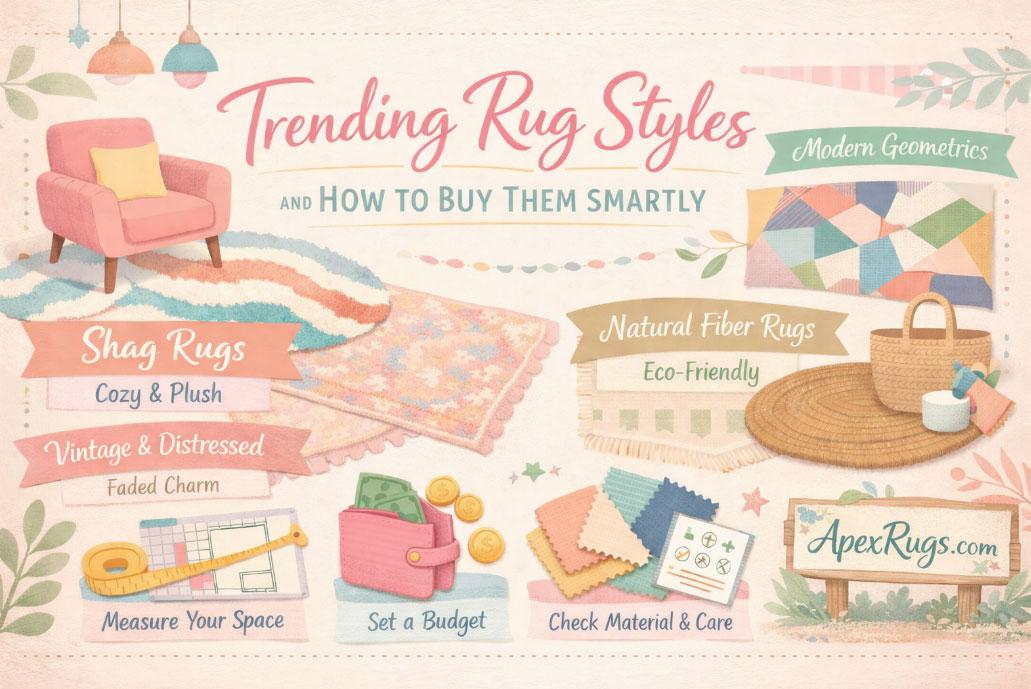
Measure accurately before shopping. This seemingly obvious advice is frequently ignored, leading to rugs that don't fit properly in their intended spaces. Measure your room, noting where furniture will sit, and use painter's tape to outline potential rug sizes on the floor. Live with these outlines for a few days to verify the size feels right before committing to a purchase.
Sample when possible. Many online retailers now offer sample programs where you can order small swatches for a nominal fee. Colors appear dramatically different under various lighting conditions, and textures can only truly be assessed in person. The cost of samples is negligible compared to the expense of returning an unsuitable rug or living with one you don't love.
Consider timing your purchase strategically. Rug retailers typically offer their deepest discounts during January and July, when they clear inventory for new collections. Holiday sales also provide opportunities, but the best selection appears during off-peak periods when you're not competing with other shoppers.
Don't fixate exclusively on trendy styles. The most satisfying rug purchases typically balance current trends with personal preference and practical needs. A classic design that you genuinely love will serve you better than a trendy piece chosen primarily for its fashion-forward credentials. Trends fade, but well-made rugs in timeless styles remain relevant for decades.
Understand the return policy before ordering, especially for online purchases. Rugs look different in actual spaces than in photographs or showrooms. A generous return policy provides security and allows you to make decisions in your actual environment rather than under pressure in a store.
Invest in proper rug pads. A quality rug pad prevents slipping, protects both the rug and the floor beneath it, and extends the rug's lifespan by reducing wear. The pad should be slightly smaller than the rug itself and appropriate for your flooring type. This seemingly minor accessory significantly impacts your satisfaction with any rug purchase.
Consider maintenance requirements honestly. Beautiful silk rugs require professional cleaning and careful maintenance. Natural fiber rugs need protection from moisture. High-pile shag demands regular vacuuming with specific techniques. If you're unwilling or unable to provide necessary care, choose a more practical option even if it's less visually exciting.
The Long View
Rug purchases represent significant investments in both money and the daily experience of your home. The floor covering you select influences the atmosphere, comfort, and functionality of a space for years. Approaching these decisions with thoughtfulness—balancing trend awareness with personal needs, aesthetic preferences with practical requirements, and initial cost with long-term value—leads to choices you'll appreciate long after the current trend cycle has passed.
The best rug for any space ultimately depends on your specific circumstances: the room's function, your household composition, your design preferences, and your budget. Trending styles provide inspiration and a starting point, but smart buying requires filtering those trends through the unique lens of your life and space. When you find a rug that excites you aesthetically, functions well practically, and was purchased at a fair price through ethical channels, you've succeeded regardless of whether it aligns perfectly with current trends. That intersection of beauty, utility, and value represents truly smart buying.